



It’s not uncommon for older adults to experience a loss of appetite. This age-related change, known as the “anorexia of aging,” goes beyond simply skipping a meal. It refers to a gradual decrease in hunger and food intake that affects many seniors, as many as 30% at home and up to 50% in care settings.
Even though it might not seem serious at first, reduced appetite in the elderly can have a big impact on their health and well-being. If you’ve noticed that they’re eating less or losing interest in food, it’s important to take it seriously.
Getting ahead of it can help prevent problems like weight loss, weakness, or more serious health complications.
Your Loved Ones Need Good Care – Contact Us Today
Common Causes of Loss of Appetite in Older Adults
There isn’t just one reason why a senior may lose their appetite. In fact, many different changes in the body, mind, and environment can all play a role. Understanding these underlying causes can help you support your loved one with more care and confidence.
Digestive System Changes
As people get older, their digestive systems tend to slow down. This can affect how hungry they feel, how food tastes, and how easily they can eat and enjoy meals.
While these changes might seem small at first, they can make a big difference.
Reduced Saliva Production
Around 1 in 3 older adults produces less saliva than they used to. This is often caused by certain medications, including those for allergies, high blood pressure, or depression.
Saliva helps break down food and makes it easier to chew and swallow. When there’s not enough of it, eating becomes more difficult and less enjoyable.
Dry mouth can also make foods taste bland or uncomfortable to chew, which might cause someone to avoid eating altogether. Over time, this can lead to weight loss and poor nutrition.
Slowed Gastric Emptying
As we age, the stomach tends to take longer to empty. That means food stays in the stomach longer, which makes a person feel full for a longer time, even after a small meal.
This feeling of fullness can make older adults eat less often or avoid meals completely. Some may even experience bloating or nausea, which can make eating unpleasant and cause them to skip meals.
Constipation
Constipation is very common in older adults, affecting as many as 30% to 50% of seniors. It can happen for several reasons, including:
- not drinking enough water
- eating too little fiber
- being less physically active
- or taking medications that slow down digestion.
The muscles in the digestive system can also weaken with age, making it harder for the body to move food through the intestines.
When someone is constipated, they may feel full, bloated, or uncomfortable, which can lower their appetite. Also, if it happens regularly, they may start eating less to avoid the discomfort.
Hormonal Imbalances
Hormonal changes that occur later in life can significantly affect appetite. This includes:
| Hormone | Change with Aging | Effect on Appetite |
| Ghrelin | Decreased | Fewer hunger signals, making it easy to forget to eat or feel full even when underfed. |
| Cholecystokinin (CCK) | Increased | Stronger feelings of fullness, which can stop meals early or reduce snacking. |
| Leptin | Increased | Signals the brain to stop eating, even when the body still needs nutrition. |
Sensory Decline

As we age, our senses naturally become less sharp, which can deeply affect how we enjoy food. Smell, taste, and sight all play a role in making meals enjoyable and stimulating our appetites.
Taste Bud Atrophy
Seniors may have a reduced ability to taste sweet and salty flavors, while bitter and sour tastes may become more noticeable. That’s because the number and sensitivity of taste buds decline with age.
This imbalance can make food less enjoyable, even off-putting. Over time, this may cause your loved one to lose interest in meals altogether, especially if they find nothing tastes “right.”
Olfactory Loss
Almost 50% of adults over the age of 80 experience a significant decline in their sense of smell. Since taste and smell are closely connected, a diminished ability to smell can make even favorite meals seem bland.
Without that comforting aroma of a warm meal, there’s less excitement about eating. This may cause some seniors to skip meals more often or eat very little.
Visual Impairment
Seniors may not be able to see the colors, textures, or arrangement of food as clearly, which reduces the visual enjoyment that usually comes before eating. Meals may also become more difficult to navigate. This includes cutting food, differentiating between items on the plate, or recognizing if something is spoiled, leading to frustration or disinterest at mealtime.
Medical and Health Factors
As we age, we’re more likely to experience chronic health problems or take medications that can directly affect how much we eat.
Chronic Diseases
Many chronic illnesses can make senior appetite issues worse by causing inflammation, pain, or fatigue, or by changing the way the body processes nutrients.
- Heart Failure, COPD, Kidney Disease, and Cancer: These illnesses can lead to a constant inflammatory state in the body, which may suppress hunger. Moreover, fatigue or difficulty breathing can make eating feel like a chore rather than something to enjoy.
- Neurological Disorders: Diseases like Alzheimer’s (which affects appetite in nearly 50% of patients), Parkinson’s, and stroke can disrupt the brain’s signals for hunger. They may also affect memory and coordination, making it harder for seniors to recognize hunger or eat without help.
- Oral and Dental Issues: Roughly one-third of older adults deal with dysphagia, or trouble swallowing, along with issues like gum disease or ill-fitting dentures. These problems can cause pain while eating, making meals feel uncomfortable or even scary. In response, many seniors start avoiding meals, which leads to undernourishment over time.
Table: Summary of Health Conditions Linked to Appetite Loss
| Condition Type | Mechanism | Examples |
| Gastrointestinal | Acid reflux, constipation | These conditions can cause pain, bloating, or acid reflux, making eating uncomfortable or unpleasant. Over time, this discomfort discourages regular meals. |
| Neurological | Dementia, stroke | These affect brain function and coordination, which can interfere with hunger signals or make swallowing difficult, causing reduced interest in food. |
| Metabolic | Thyroid disorders, diabetes | These illnesses throw off the body’s hormone balance, confusing hunger cues and making the body feel full or tired even when it needs food. |
| Infections | Pneumonia, UTIs | Illnesses like these trigger inflammation, making the body feel unwell or fatigued, naturally leading to a drop in appetite until recovery. |
Medication Effects
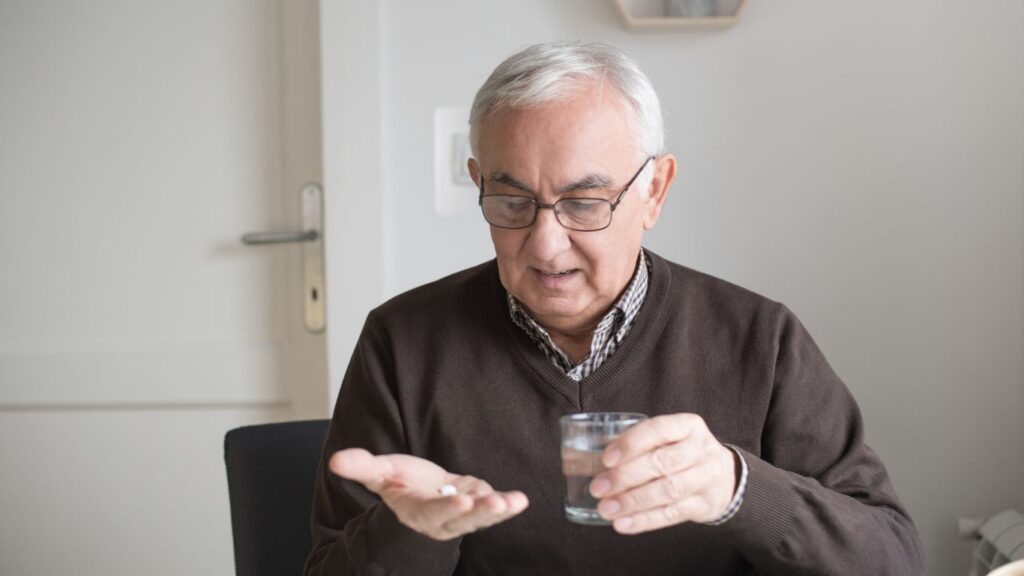
Medications are necessary for managing many health conditions in older adults. However, appetite loss in seniors due to medication is common.
Some medications can alter taste or smell, cause nausea or dry mouth, or affect how the stomach empties, all of which can reduce food intake.
Here are a few common medications that may affect appetite:
- Antibiotics: Can lead to nausea, changes in gut flora, or a lingering bad taste in the mouth.
- Antidepressants: May cause dry mouth or affect taste perception, which makes food less enjoyable.
- Chemotherapy Drugs: Often create strong taste aversions and nausea, leading to complete loss of appetite.
- Blood Pressure Medications: Some cause a metallic taste or dry mouth.
- Opioids: Can cause constipation and nausea, both of which suppress the desire to eat.
If your loved one is on multiple medications and experiencing appetite loss, it’s important to speak with a healthcare provider to review possible adjustments. Small changes can make a big difference in helping them regain a healthy interest in food.
Pain and Functional Decline
Chronic pain from issues like arthritis, nerve damage, or back problems can make it tough to sit at the table, chew, or even hold utensils. When someone is constantly managing discomfort, mealtimes lose their joy and priority. Over time, this can lead to skipped meals and unintended weight loss, which puts overall health at risk and increases vulnerability to other medical complications.
Mobility issues make it harder to shop, cook, or even eat without help. For those who live alone, this often leads to fewer meals or repetitive, less nutritious food choices. Even when support is available, losing the ability to eat or prepare food independently can feel frustrating or disheartening. These feelings can drain motivation to eat, creating a difficult cycle of reduced appetite and declining health.
Environmental Influences
Our surroundings, especially in a skilled nursing facility, can have a surprising impact on how much we want to eat.
At Downey Health Community Center, we create a warm and inviting environment designed to help residents feel safe, seen, and at home. From calming décor to personalized mealtime settings, we ease the transition into new surroundings while supporting dignity and comfort at every step.
Your Loved Ones Need Good Care – Contact Us Today
Unfamiliar Foods or Mealtime Routines
In many care facilities, older adults are introduced to new food options or schedules that may not match what they’re used to. These unfamiliar dishes or timing changes can trigger discomfort or even food aversion. If meals don’t look, taste, or feel familiar, seniors may feel disconnected and less inclined to eat.
Lack of Routine
A stable daily routine plays a big role in regulating hunger. Without consistent mealtimes or structured activities, natural hunger cues can become dulled. Seniors might skip meals without realizing it, simply because the rhythm of their day no longer encourages a healthy eating pattern.
Psychological and Social Factors

For older adults, mental health struggles and social isolation can quietly steal away the joy of eating.
Depression
Depression affects between 10% and 27% of older adults, and it often shows up not just in mood, but in daily habits like eating. Seniors living with depression may feel hopeless or disconnected, losing interest in food, even when they know they need it.
This emotional numbness can lead to skipped meals, unintended weight loss, and worsening health. It’s not that they don’t want to eat; sometimes, they just can’t find the motivation or joy to do so.
Anxiety and Stress
Anxiety and stress don’t just live in the mind; they affect the body, too. In older adults, stress can disrupt the brain’s hunger signals and increase hormones like cortisol, which suppress appetite.
Loneliness
Roughly one in three seniors eats alone regularly. Mealtimes that once brought conversation and comfort can become quiet, isolating moments. When there’s no one to share a meal with, food can lose its meaning, and with it, the desire to eat. Loneliness doesn’t just hurt emotionally; it takes a physical toll, often resulting in poorer nutrition and declining health.
Grief and Bereavement
Losing a partner, friend, or loved one can change everything, including how and when someone eats. The emotional weight of grief often leads to appetite changes in older adults.
Food may remind someone of what they’ve lost or bring feelings of sadness, making them avoid meals altogether. This shift can become long-term if not gently supported through connection, compassion, and professional care.
Lifestyle and Nutritional Factors
Our daily habits, from how much we move to what we eat, have a direct effect on appetite. For seniors, even small changes in routine can have a big impact.
Dehydration
About 40% of seniors are chronically dehydrated, and many don’t even realize it. As we age, the body becomes less responsive to thirst cues. This means older adults may not feel thirsty even when they need fluids.
Dehydration in seniors can trick the body into feeling full, which suppresses appetite. It can also lead to fatigue, confusion, and other symptoms that make eating less appealing.
Sedentary Behavior
When we move less, our bodies burn fewer calories, which naturally lowers hunger signals. Many older adults become less physically active due to pain, fatigue, or mobility issues. This can result in a lack of appetite over time.
Encouraging gentle, regular movement, like 150 minutes a week of walking or chair exercises, can help boost energy and restore a healthy hunger pattern.
Nutritional Deficiencies
A lack of nutrients doesn’t just happen from not eating; it can also make someone want to eat less.
It’s a cycle: poor appetite leads to poor intake, which causes deficiencies that further reduce appetite. Common deficiencies in seniors include zinc, protein, B vitamins, and vitamin D.
These nutrients are essential for energy, mood, and overall health. Supporting proper nutrition can help break this cycle and restore interest in meals.
Consequences of Untreated Appetite Loss in Seniors
When appetite loss in older adults goes unchecked, it can lead to much more than just skipped meals. Over time, eating less can snowball into serious health problems that affect mobility, immunity, and even longevity.
Malnutrition
About 40% of hospitalized seniors are malnourished. This means their bodies aren’t getting the nutrients they need to function properly.
Malnutrition in the elderly weakens the immune system, making it harder to fight off infections and recover from illness. It also increases the risk of complications from existing health conditions, hospital stays, and even surgery.
Sarcopenia and Frailty
Sarcopenia is the loss of muscle mass and strength, and it’s closely tied to not getting enough nutrition.
Without adequate protein and calories, the body starts to break down muscle for energy. This leads to weakness, falls, reduced mobility, and a higher chance of becoming dependent on others for daily care.
Frailty makes everyday tasks harder and reduces the overall quality of life.
Increased Mortality
Significant weight loss in seniors, especially more than 10% of their body weight, can raise the risk of death. This kind of unintentional weight loss is a major red flag and often signals deeper health issues. Addressing appetite loss early can help avoid such serious outcomes.
Comorbidity Synergy
Appetite loss often works in combination with other age-related conditions, creating a ripple effect. According to the WHO’s ICOPE data, it’s linked to cognitive decline, sensory issues, and mobility problems.
When one area of health starts to slip, others tend to follow. That’s why appetite loss should never be ignored. It can be a sign that the whole system needs support.
Management and Interventions

Supporting a loved one with appetite loss doesn’t have to feel overwhelming. There are many practical steps, both medical and lifestyle-focused, that can make a real difference.
Medical Approaches
Medical care plays a key role in identifying and managing the root causes of appetite loss in the elderly.
Medication Review
Adjusting or switching medications can relieve unwanted side effects, making meals more enjoyable and reducing meal-related discomfort.
So here’s what you can do:
- Ask your doctor or pharmacist to review your loved one’s medication list.
- Keep a journal of appetite changes after starting new medications.
- Discuss possible substitutes for medications known to cause appetite loss.
Appetite Stimulants
In some cases, doctors may prescribe appetite stimulants like megestrol acetate. These should always be used under close supervision due to possible side effects like water retention or blood clots.
These medications can temporarily boost appetite, especially in cases of severe weight loss.
Here are a few tips:
- Ask your doctor if an appetite stimulant is appropriate.
- Monitor for side effects like swelling or fatigue.
- Always follow the dosing schedule exactly.
Dental and Oral Health
Treating dental issues or adjusting food texture can make eating safer, more comfortable, and more enjoyable.
You should:
- Schedule regular dental check-ups.
- Offer soft, moist foods that are easier to chew.
- Consider pureed meals or texture-modified diets for those with severe swallowing problems.
Nutritional Strategies
As taste and smell decline, food may seem bland. Adding bold, natural flavors helps bring back some enjoyment at mealtime.
Here are a few practical tips:
- Use herbs, spices, garlic, or citrus to liven up dishes.
- Incorporate umami-rich foods like mushrooms, tomatoes, or Parmesan cheese.
- Warm up meals to enhance their aroma.
Small, Frequent Meals
Big meals can feel overwhelming, especially for someone who feels full quickly. Offering smaller, more frequent meals can make it easier to maintain a healthy calorie intake.
This is simple, you can:
- Offer 5–6 mini-meals per day.
- Keep healthy snacks like cheese cubes, nuts, or yogurt easily accessible.
- Try smoothies or shakes for extra nutrients without needing to chew much.
Hydration Support
Dehydration in seniors is surprisingly common and often mistaken for a lack of hunger. Proper hydration supports digestion, energy levels, and appetite.
A few valuable tips:
- Encourage 1.5–2 liters of fluid a day (unless advised otherwise by a doctor).
- Include hydrating foods like soups, fruits, and herbal teas.
- Offer drinks regularly, even if your loved one doesn’t ask.
Psychosocial Interventions

Appetite isn’t just physical, it’s emotional and social, too. Addressing loneliness or a lack of interest in meals through social interaction can work wonders.
Group Dining
Seniors who eat with others often consume more and enjoy meals more. Dining with company creates a positive atmosphere and encourages better eating habits.
At Downey Community Health Center, we actively facilitate group activities to foster connection and improve mealtime satisfaction. Our staff ensures a welcoming, communal atmosphere that supports healthy eating habits.
Your Loved Ones Need Good Care – Contact Us Today
Use these tips as a starting point:
- Organize shared meals with family or friends.
- Join community center lunch programs or senior groups.
- Create a pleasant dining space with music or conversation.
- Consider group dining options at facilities like Downey Community Health Center that promote social interaction and comfort.
Involvement in Cooking
Even small roles in meal prep can make seniors feel more connected to their meals. Being involved brings a sense of pride and increases interest in eating.
Try to:
- Let your loved one help choose recipes or set the table.
- Encourage tasks like peeling, stirring, or plating food.
- Plan meals together around foods they’ve always loved.
Physical Activity
Exercise can do more than build strength; it naturally increases appetite. Even gentle movement helps regulate appetite hormones and improves mood.
You can:
- Encourage daily walks, even short ones.
- Try chair yoga or stretching routines.
- Look into group exercise classes designed for seniors.
Appetite Loss Can Be Reversed With the Right Plan
Loss of appetite in older adults is not just a part of getting older; it’s a red flag that requires attention. Through proper screening tools like the SNAQ questionnaire and integration into geriatric assessments (such as the WHO’s ICOPE program), appetite loss can be identified early and managed effectively.
Appetite loss is a modifiable risk factor. Proactive management can preserve independence, quality of life, and longevity.
At Downey Community Health Center, we’re here to help your loved one regain a healthy appetite and enjoy mealtimes again.